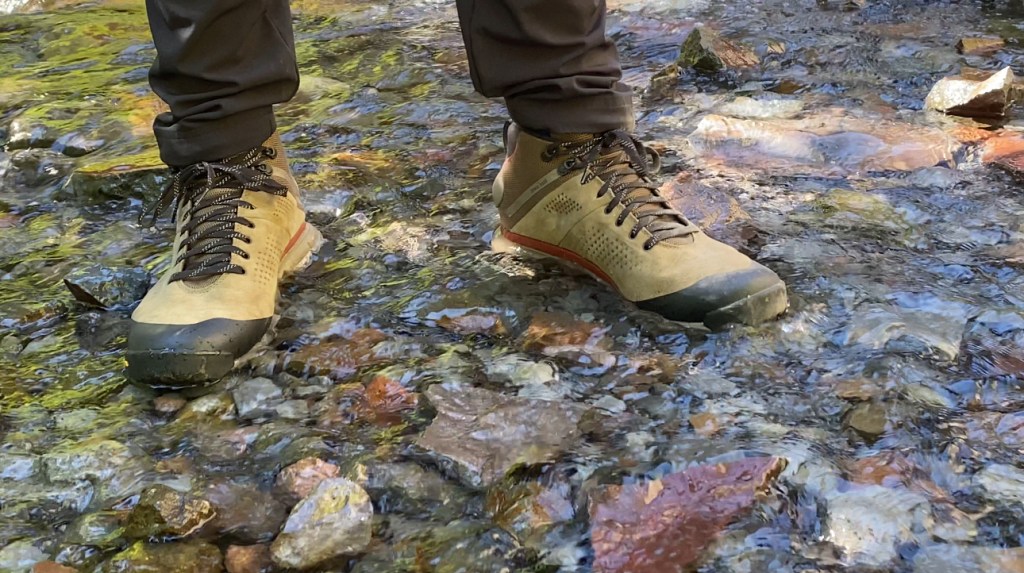
There’s so many types of hiking footwear in the market today that it can get very confusing and overwhelming when trying to figure out which ones to buy. In this short blog I will be comparing hiking boots and trail runners and I’ll talk about the differences and similarities so you can make a better informed decision of which one to purchase for yourself.
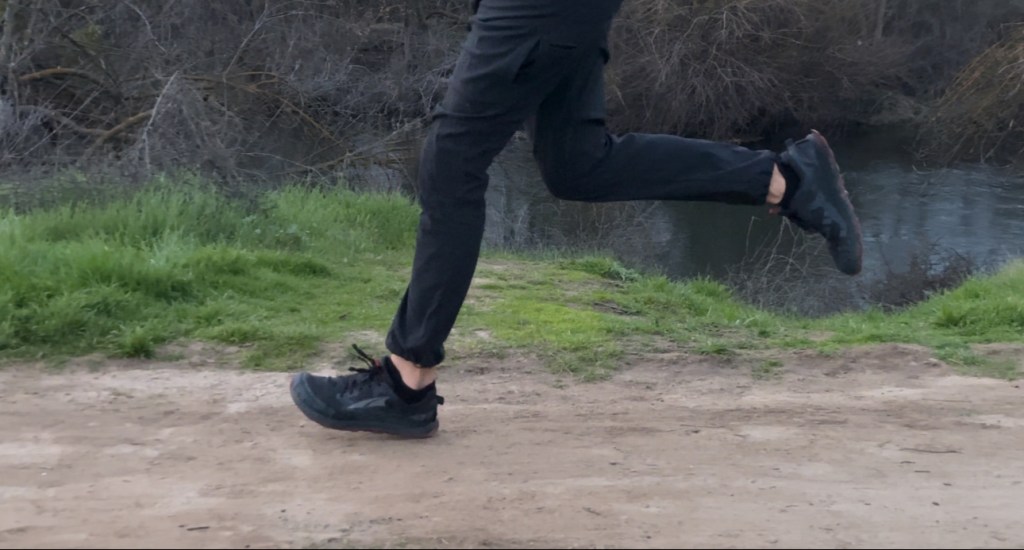
Let’s Start with Hiking Boots: Now Hiking boots are known to be more durable and offer greater ankle support. Hiking boots offer really good protection against rocks, roots and various terrains while out on the trail. This is part of the reason why some people gravitate to hiking boots. On the other hand, trail runners are significantly lighter and more flexible when moving fast through the trail. Trail Runners are more breathable and offer great cushion and comfort especially on long trails and or runs.
Traction
Hiking boots usually have more of an aggressive look to them and are designed with deep lugs, aggressive tread and provide you with good grip on various terrains, “wet rock, pavement, sand, mud, snow” you name it. Now trail runners may not look aggressive but they still offer decent traction, but personally I’ve found them to not perform as well on challenging terrain, again this could just be me and what my feet prefer.
Versatility
Versatility: In terms of versatility, Hiking boots are a great choice for backpacking trips and challenging terrains “trails you’re not familiar with. Since they offer great stability, ankle support and protection for your feet when carrying heavy loads.
However if you like moving fast “fast paced hikes” and or “trail running” then trail runners might be your best bet. Trail runners will allow you to move much quicker while feeling lighter and giving your feet comfort on the trail.
One thing to keep in mind is the load that you’re carrying on the trail or your own body weight. The heavier that you are or the load you have on your back while hiking then the more cushion and support that your feet will require. The extended use of lighter and unsupportive footwear while carrying heavy load can potentially cause foot injuries. So if you choose trail runners opt for lighter load while on the trail. Keep in mind that you can also opt to work on strengthening your feet, leg workouts, and work on improving your balance which will translate to making you a better hiker and improve your overall fitness levels. Below is a video demonstrating the exercises I do to improve and maintain my ankle stability and leg strength along with balance.
Weather Proof
Hiking Boots are better suited for the winter as their waterproof capabilities will help keep your feet warm and dry, protect you from the elements. Always make sure to pair them with a good pair of wool socks and gaiters to prevent snow/water from seeping in from the top of the boot. “Not all hiking boots are waterproof” so always double check and make sure.
Trail runners are not usually waterproof but if they are they’re usually lined with GORE-TEX, which is a thin fabric that prevents water from entering the shoe while also allowing moisture to escape. I’ve come to find out that a pair of hiking boots will still give your feet more protection in cold environments. But of course if you plan on hiking in winter always look into an insulated hiking boot.
Overall
Not all Trails are created equally and neither is footwear so choose wisely to protect yourself and your feet while on the trail.
One important factor to always consider is the Break in Period for your hiking boots. ONE of the BIGGEST mistakes people make is buying a new pair of hiking boots just before a big hike. I’m guilty of this, when I first started hiking and invested in my first pair of boots I didn’t give my feet enough time to adapt to the new boots and the boots to mold to my feet. Now of course always first make sure the size of your boots is your correct size but usually most boots require a small break in period. You don’t want to be on the trail hurting, aching, with blisters so give yourself enough time to adapt to your new boots whether you wear them to the park, or to the grocery store so you have a feel for them. That way you prevent your feet from talking back to you on the trail. On the other hand trail runners usually feel comfortable straight out of the box “at least that’s been my experience”.
At the end of the day the best hiking footwear will depend on your personal preference and the type of hike or adventure you plan on doing.
If you prioritize good ankle support, durability and stability then hiking boots are the way to go.
But if comfort, flexibility and speed is your priority then trail runners might work for you.
 Roaming The Trails
Leave a comment